Aging gracefully is not just about staying active and social—it’s also about making smart choices at the grocery store. In Phoenix, where the sun shines more than 300 days a year, local grocery stores and markets offer an incredible variety of foods that can support a vibrant, healthy life for seniors. But with so many options on the shelves and so much conflicting advice, how do you truly choose the healthiest foods for older adults? This article dives deep into expert-backed strategies, local Phoenix store tips, and nutritional facts to help seniors (and their caregivers) shop smarter and eat better.
The Unique Nutritional Needs of Seniors in Phoenix
As we age, our bodies change in ways that affect how we process nutrients. Seniors—defined by the CDC as adults aged 65 and older—often need fewer calories but more of certain vitamins and minerals. For example, the National Institutes of Health notes that seniors commonly need extra calcium, vitamin D, fiber, and B12 to maintain bone health, energy, and digestion.
In Phoenix, the desert climate also means seniors need to pay special attention to hydration and foods that help retain moisture. Dehydration is a real risk: Banner Health reports that up to 40% of older adults are chronically under-hydrated, especially in hot, dry environments.
.png) Key nutrients for seniors:
- Calcium and Vitamin D (for bone health)
- Fiber (for digestion)
- Potassium (for heart and muscle function)
- Vitamin B12 (for energy and nerve health)
- Water and hydrating foods (to combat Phoenix’s arid climate)
Key nutrients for seniors:
- Calcium and Vitamin D (for bone health)
- Fiber (for digestion)
- Potassium (for heart and muscle function)
- Vitamin B12 (for energy and nerve health)
- Water and hydrating foods (to combat Phoenix’s arid climate)
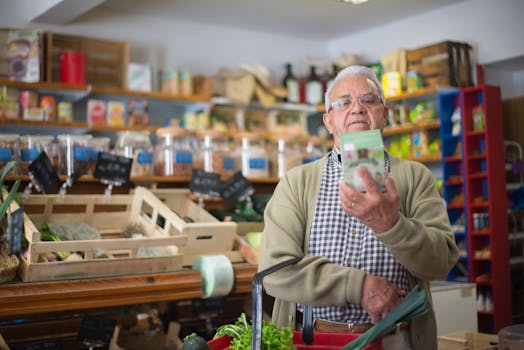
Phoenix stores like Sprouts Farmers Market, AJ’s Fine Foods, and Fry’s Food Stores now label foods with “senior-friendly” tags, highlighting low-sodium, high-fiber, or vitamin-rich options. Look for these tags to make shopping more straightforward.
Deciphering Food Labels: What Matters Most for Seniors?
Food packaging in the U.S. is packed with information—but not all of it is equally important for seniors. Understanding how to read labels can make a significant difference in choosing healthy foods.
Here’s what to focus on: - Sodium: The American Heart Association recommends seniors aim for less than 1,500 mg of sodium per day, as high salt intake can increase the risk of hypertension and stroke. - Added Sugars: Seniors should limit added sugars to less than 10% of daily calories, according to the Dietary Guidelines for Americans. - Fiber Content: Adults over 60 should target at least 21-30 grams of fiber daily, yet the CDC reports most seniors get less than half of that amount. - Serving Size: Seniors often eat less at each meal, so check serving sizes and adjust portions accordingly. - Fortified Foods: Many cereals and plant-based milks are fortified with calcium and vitamin D, crucial for bone health.Phoenix stores like Natural Grocers and Whole Foods often provide nutritionist-led tours or label guides, making it easier to spot important details. Many also offer mobile apps that let shoppers scan barcodes for instant nutritional breakdowns.
Best Food Choices for Seniors: Local Store Insights
Not all foods are created equal, especially when it comes to supporting senior health. Grocery managers and nutritionists in Phoenix recommend prioritizing certain categories:
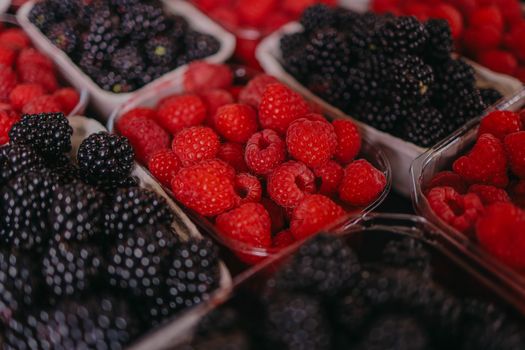
- Colorful Fruits and Vegetables: Think beyond apples and bananas. Local markets like Uptown Farmers Market stock Arizona-grown leafy greens, tomatoes, squash, and berries. These are packed with antioxidants, fiber, and hydration. - Lean Proteins: Instead of processed lunch meats, choose fresh fish, chicken breast, tofu, or eggs. Bashas’ stores in Phoenix often have weekly specials on wild-caught salmon and hormone-free chicken, making healthy proteins more affordable. - Whole Grains: Swap white bread for whole wheat, quinoa, or brown rice. Many stores, including Sprouts, offer bulk bins for affordable whole grains. - Dairy or Fortified Alternatives: Seniors need 1,200 mg of calcium daily. Yogurt, cheese, and fortified plant milks (like almond or soy) are excellent sources. - Hydrating Foods: Besides water, foods with high water content—like watermelon, cucumbers, and oranges—are essential in Phoenix’s heat.To make decisions even easier, here’s a comparison table of common Phoenix grocery items and their senior health benefits:
| Food Item | Key Nutrients | Why It's Good for Seniors |
|---|---|---|
| Spinach (local) | Vitamin K, Folate, Fiber | Supports bone health, digestion |
| Wild-caught Salmon | Omega-3s, Vitamin D | Boosts heart and brain health |
| Greek Yogurt | Calcium, Protein | Strengthens bones, supports muscle mass |
| Quinoa | Protein, Fiber, Iron | Improves energy, aids digestion |
| Blueberries (Arizona-grown) | Antioxidants, Vitamin C | Supports immunity, fights aging |
Smart Shopping Strategies for Seniors in Phoenix
Shopping for healthy foods doesn’t have to be overwhelming. Seniors in Phoenix can use several strategies to simplify their grocery trips:
1. Shop Early or Late: Beat the heat and crowds by shopping before 10 a.m. or after 6 p.m. Many Phoenix stores offer special “senior hours” for added comfort. 2. Use Store Pickup or Delivery: Fry’s, Safeway, and Walmart in Phoenix all provide online ordering and curbside pickup—ideal for those with mobility challenges or those wanting to avoid summer temperatures. 3. Take Advantage of Store Tours: Sprouts and Natural Grocers offer free in-store nutrition tours, focusing on senior-friendly products and label reading. 4. Watch for Senior Discounts: Bashas’ offers a 10% discount on the first Wednesday of every month for shoppers aged 55 and up. 5. Make a List by Section: Organize your shopping list by store section—produce, dairy, grains, proteins—so you don’t forget key items or get overwhelmed by choices. 6. Bring a Water Bottle: Staying hydrated during shopping is crucial, especially in Phoenix’s dry climate.Phoenix’s local grocery scene is also increasingly senior-friendly, with wider aisles, accessible carts, and staff trained to assist older adults.
Common Food Pitfalls: What to Limit or Avoid
While focusing on healthy options is important, it’s equally vital to know what to minimize or skip. Many foods marketed as “healthy” can actually pose risks for seniors.
Top foods to limit: - Processed Meats: High in sodium and preservatives; linked to higher risk of heart disease. - Sugary Drinks and Snacks: Sodas, energy drinks, and packaged pastries spike blood sugar and add empty calories. - High-Sodium Canned Goods: Many soups and vegetables contain over 700 mg of sodium per serving. Opt for “no salt added” versions. - Trans Fats: Found in some margarines and baked goods, trans fats can increase cholesterol and heart disease risk. - Alcohol: Seniors are more sensitive to its effects; moderation is key.Phoenix stores like AJ’s Fine Foods and Whole Foods now carry expanded lines of low-sodium, no-added-sugar, and trans fat-free products. Look for these in dedicated “wellness aisles” or ask staff for recommendations.
Community Resources: Support for Senior Nutrition in Phoenix
Phoenix is home to a number of programs that help seniors access healthy foods and learn more about nutrition:
- Senior Farmers’ Market Nutrition Program: Provides low-income seniors with coupons for fresh produce at local markets. - Area Agency on Aging, Region One: Offers nutrition education, meal delivery, and community dining options specifically for older adults. - Valley of the Sun YMCA: Hosts healthy cooking classes and grocery store tours tailored to seniors. - Local Store Partnerships: Many Phoenix grocers partner with these organizations to host free in-store events.According to a 2023 report from the Arizona Department of Health Services, seniors who participate in such programs consume 18% more fruits and vegetables compared to those who do not.
Making Healthy Choices Easier for Seniors in Phoenix
Choosing healthy foods as a senior in Phoenix goes well beyond simply picking up what looks good or is on sale. It involves understanding unique nutritional needs, reading food labels carefully, knowing which foods offer the most health benefits, and using smart shopping strategies designed for both the climate and the local food scene.
Phoenix’s grocery stores are increasingly attentive to the needs of older adults, offering everything from nutrition tours to senior discounts and special product labeling. By leveraging these resources and staying informed, seniors can enjoy meals that not only taste great but also support their health, independence, and well-being.