Choosing the Best Healthy Foods in Phoenix Stores: A Smart Shopper’s Guide
Phoenix is a city where the heat is high and so is the growing demand for healthy foods. With a population that surpassed 1.6 million in 2023 and a climate that allows for year-round produce, Phoenix has become a hotspot for those seeking nutritious options. However, with over 200 grocery stores and countless food brands on the shelves, navigating the aisles for the healthiest choices can be overwhelming. This guide will help you make confident, informed decisions about healthy foods in Phoenix stores, focusing on decoding labels, understanding local options, considering sustainability, and more—all tailored to the unique landscape of Arizona’s capital.
Decoding Food Labels: The Key to Healthy Choices
One of the biggest challenges when shopping for healthy foods is understanding what’s really inside the package. Food labels can be confusing, and sometimes misleading, with clever marketing terms. Here’s what Phoenix shoppers should focus on:
1. Ingredient List: The shorter, the better. Look for whole foods at the top of the list, such as “whole grain wheat” or “organic broccoli.” Avoid items where sugar, corn syrup, or hydrogenated oils appear near the beginning. 2. Nutrition Facts: Pay special attention to serving size, calories, sodium, added sugars, and saturated fats. The American Heart Association recommends less than 2,300 mg of sodium per day, yet the average American consumes about 3,400 mg—much of it coming from processed foods. Compare similar products to choose those with lower sodium and sugar. 3. Health Claims: Be wary of “natural,” “light,” or “multigrain.” Terms like “organic” and “non-GMO” have specific definitions regulated by the USDA, but others are often just marketing. In Phoenix, where health-conscious shoppers abound, many products may bear these labels; always check the details. 4. Allergen & Dietary Icons: Phoenix’s diverse population includes many with dietary restrictions—gluten-free, vegan, or nut-free. Look for clear icons or certifications to ensure products meet your needs.Local Produce and Seasonal Eating in Phoenix
Phoenix’s desert climate allows for a unique growing season. Supporting local farms means fresher produce, a smaller carbon footprint, and often better nutrition. Here’s how to shop smart for local and seasonal foods:
.png) 1. Know the Seasons: In Phoenix, citrus fruits like oranges and grapefruits are in abundance from December to April, while leafy greens thrive in the cooler months. Summer brings melons, squash, and tomatoes. Using the Maricopa County Crop Calendar, you can plan your shopping to prioritize what’s freshest.
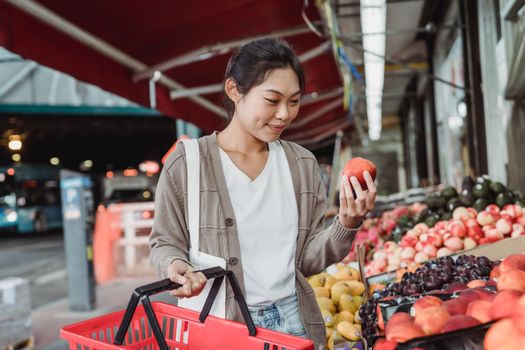
2. Farmers Markets: The city boasts more than 30 farmers markets, including the Uptown Farmers Market and Downtown Phoenix Public Market. Shopping here means you get produce harvested within 24-48 hours, compared to 7-14 days for supermarket veggies.
3. Look for “Arizona Grown”: Many stores in Phoenix label produce grown within the state. These items are typically fresher and support local agriculture. In 2022, Arizona farms supplied over 9% of the nation’s lettuce and 15% of its citrus.
4. Community Supported Agriculture (CSA): Consider subscribing to a CSA box, where local farms deliver a weekly or bi-weekly box of seasonal produce. This not only ensures variety but also connects you directly with Phoenix growers.
1. Know the Seasons: In Phoenix, citrus fruits like oranges and grapefruits are in abundance from December to April, while leafy greens thrive in the cooler months. Summer brings melons, squash, and tomatoes. Using the Maricopa County Crop Calendar, you can plan your shopping to prioritize what’s freshest.
2. Farmers Markets: The city boasts more than 30 farmers markets, including the Uptown Farmers Market and Downtown Phoenix Public Market. Shopping here means you get produce harvested within 24-48 hours, compared to 7-14 days for supermarket veggies.
3. Look for “Arizona Grown”: Many stores in Phoenix label produce grown within the state. These items are typically fresher and support local agriculture. In 2022, Arizona farms supplied over 9% of the nation’s lettuce and 15% of its citrus.
4. Community Supported Agriculture (CSA): Consider subscribing to a CSA box, where local farms deliver a weekly or bi-weekly box of seasonal produce. This not only ensures variety but also connects you directly with Phoenix growers.
Healthy Food Aisles: Where to Shop and What to Pick
Knowing where to focus your time in the store can make healthy shopping easier. Here’s a breakdown of Phoenix grocery store aisles and what to prioritize:
Produce Section: Spend most of your time here. Choose a rainbow of fruits and vegetables, and try something new each week to maximize nutrients.
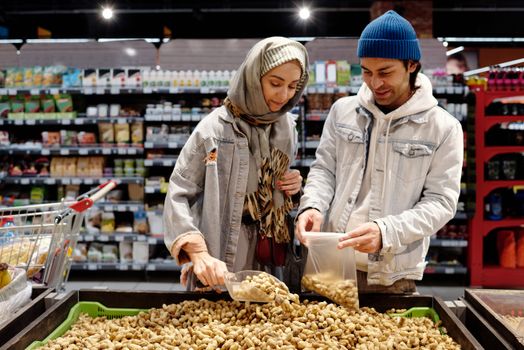
Bulk Bins: Stores like Sprouts and Natural Grocers have extensive bulk sections. Buy whole grains, beans, nuts, and seeds in quantities you’ll use, reducing waste and cost.
Dairy & Alternatives: Look for low-fat or non-dairy options such as almond milk or oat milk. Many Phoenix stores carry locally made yogurts and cheeses—often with fewer additives.
Frozen Foods: Go for plain frozen fruits and veggies, which are harvested at peak ripeness. Avoid frozen meals high in sodium and preservatives.
Center Aisles: Be selective. Whole grain pastas, brown rice, canned beans (low sodium), and no-sugar-added nut butters can be healthy staples.
Meat & Seafood: Opt for lean meats, wild-caught fish, or plant-based protein alternatives. Many Phoenix stores now offer grass-fed beef, free-range poultry, and sustainably sourced fish.
The table below compares commonly found foods in Phoenix stores, highlighting their nutritional profiles:
| Food Item | Calories (per serving) | Sodium (mg) | Added Sugar (g) | Local Availability |
|---|---|---|---|---|
| Arizona Grown Oranges | 62 | 0 | 0 | High (Dec-Apr) |
| Pre-packaged Caesar Salad Kit | 320 | 680 | 4 | Year-round |
| Whole Wheat Tortillas | 130 | 210 | 1 | Year-round |
| Frozen Mixed Vegetables | 45 | 20 | 0 | Year-round |
| Plant-Based Burger Patty | 250 | 370 | 2 | Year-round |
Ethical and Sustainable Choices for Phoenix Shoppers
More Phoenix residents are considering not just what they eat, but how their food is produced. Sustainable and ethical shopping can make a significant difference both for your health and the environment.
1. Organic vs. Conventional: Organic produce contains up to 30% fewer pesticide residues, according to USDA data. While organic can cost 10-30% more, buying organic versions of the “Dirty Dozen” (the most pesticide-prone produce) is a smart compromise. 2. Sustainable Seafood: The Monterey Bay Aquarium’s Seafood Watch program rates fish based on environmental impact. Many Phoenix stores now display these ratings. Wild-caught Alaskan salmon and U.S. farmed tilapia are good choices. 3. Plant-Based Options: A 2023 Arizona State University study found that plant-based diets can reduce an individual’s carbon footprint by up to 40%. Many Phoenix stores offer local tempeh, tofu, and meat substitutes. 4. Packaging: Choose products with minimal packaging or recyclable containers. Some Phoenix co-ops and markets encourage reusable produce bags and containers. 5. Fair Trade: Look for certified coffee, chocolate, and bananas to ensure fair wages and ethical labor practices.Budget-Friendly Healthy Eating in Phoenix
Eating healthy doesn’t have to break the bank, even in an urban setting like Phoenix. Here are practical tips for cost-conscious shoppers:
1. Plan and Prep: Make a weekly meal plan and shopping list. Impulse buys and frequent takeout add up quickly. 2. Shop Sales and Use Coupons: Many Phoenix grocers, including Fry’s and Safeway, offer digital coupons and loyalty programs. Take advantage of weekly produce specials—fresh Arizona-grown melons in summer, for example, often cost less than $1 per pound. 3. Buy in Bulk: Staples like brown rice, oats, and dried beans are significantly cheaper in bulk bins. According to the Natural Grocers 2023 report, shoppers can save up to 25% buying bulk vs. packaged. 4. Frozen and Canned Produce: When local fresh produce is out of season, opt for frozen or canned (no salt/sugar added) to save money without sacrificing nutrition. 5. Limit Processed Snacks: Pre-packaged snacks and drinks are often more expensive and less healthy. Opt for DIY trail mixes or fruit for snacks.The Role of Culture and Diversity in Phoenix Food Choices
Phoenix’s multicultural population brings a rich variety of healthy food traditions. Embracing this diversity can make healthy eating more enjoyable and accessible:
1. Hispanic Influence: With over 43% of Phoenix residents identifying as Hispanic or Latino, stores offer a wide variety of healthy Latin foods—beans, avocados, jicama, and corn tortillas. 2. Native Foods: Traditional ingredients like tepary beans, cholla buds, and prickly pear are not only healthy but also connect shoppers to Arizona’s indigenous heritage. 3. Asian and Middle Eastern Markets: Phoenix is home to dozens of specialty markets where shoppers can find nutrient-rich staples like lentils, tofu, seaweed, and whole grain flatbreads. 4. Cooking Classes and Community Events: Many local organizations offer healthy cooking demonstrations with recipes from different cultures, helping residents expand their palates and culinary skills.Smart Shopping Leads to Healthier Living in Phoenix
Choosing healthy foods in Phoenix stores doesn’t have to feel intimidating. By learning how to decode labels, prioritizing local and seasonal produce, understanding the layout of your favorite store, considering sustainability and ethics, and celebrating the city’s vibrant food culture, you can make every shopping trip a step toward better health. Remember, small, consistent changes add up. With Phoenix’s wealth of resources—from farmers markets to multicultural food options—you have everything you need to build a nutritious, affordable, and delicious diet that suits your lifestyle and values.