Finding the right foods to maintain health and vitality becomes even more crucial as we age. For seniors living in Phoenix, choosing healthy foods at the grocery store is not just about picking up fruits and vegetables—it’s also about understanding unique nutritional needs, coping with the desert climate, and navigating local stores’ offerings. With nearly 13% of Phoenix’s population over 65 and more than 200 grocery outlets in the metro area, seniors have plenty of options—but also plenty of decisions to make. This guide will walk you through the essential factors for selecting the best healthy foods for seniors in Phoenix, considering nutrition, local availability, climate, and budget.
Understanding Senior Nutritional Needs in Phoenix
As we age, our bodies require different nutrients—and sometimes in different amounts. Seniors typically need fewer calories but must ensure they get enough protein, vitamins, and minerals to preserve muscle mass, bone health, and immune function.
Key nutritional priorities for seniors include:
- Protein: Muscle mass naturally decreases with age, but studies show seniors who eat enough high-quality protein retain more strength and mobility. Aim for at least 1.0 to 1.2 grams of protein per kilogram of body weight daily. - Fiber: Essential for digestive health and heart disease prevention. Seniors should aim for about 25–30 grams of fiber per day. - Calcium & Vitamin D: Crucial for bone health. The National Institutes of Health recommend 1,200 mg of calcium and 800 IU of vitamin D daily for adults over 70. - Hydration: Phoenix’s hot, dry climate increases the risk of dehydration, which can cause confusion and exacerbate health conditions. Seniors may not feel as thirsty, so it’s important to choose foods with high water content—like watermelon, cucumber, and oranges. - B Vitamins: Absorption of B12 decreases with age. Look for fortified cereals, dairy, and lean meats.Understanding these needs is the first step toward making smart, health-boosting choices at any Phoenix grocery store.
.png)
Navigating Phoenix Stores: Local and Seasonal Choices
Phoenix’s diverse grocery landscape—from large chains like Fry’s and Safeway to local farmers markets and Hispanic grocers—means plenty of healthy options, but also the challenge of finding what’s fresh, local, and available year-round.
Benefits of choosing local and seasonal foods include:
- Fresher produce, which often means higher nutrient content. For example, Arizona’s peak citrus season runs from December through April—perfect for vitamin C. - Lower prices due to reduced transportation costs. - Supporting the local economy and small farmers.Here’s a quick look at some fruits and vegetables that are locally grown and often at their best in Phoenix stores:
| Produce | Peak Season | Key Nutrients |
|---|---|---|
| Oranges & Grapefruit | December – April | Vitamin C, Fiber |
| Leafy Greens (Spinach, Kale) | November – April | Vitamin K, Folate, Calcium |
| Tomatoes | May – September | Lycopene, Vitamin A |
| Squash (Zucchini, Yellow Squash) | June – September | Vitamin C, Potassium |
| Melons (Cantaloupe, Watermelon) | May – September | Water, Vitamin A, Potassium |
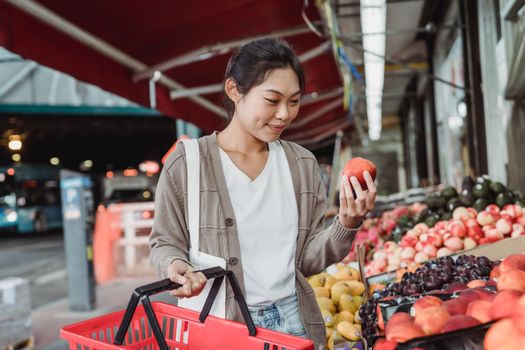
Shopping at Phoenix’s many farmers markets can help seniors access the freshest produce while enjoying social activities, which support mental well-being.
Decoding Food Labels and Packaging for Senior Health
Understanding food labels is essential for seniors who want to make informed choices. The U.S. Food and Drug Administration (FDA) requires most packaged foods to have a Nutrition Facts label, which can guide your decisions.
Important label tips for seniors:
- Low Sodium: The American Heart Association recommends seniors consume no more than 1,500 mg of sodium per day. Look for products labeled “low sodium” (140 mg or less per serving) or “no salt added.” - Added Sugars: Excess sugar can increase the risk of diabetes and heart disease. The FDA recommends seniors limit added sugars to no more than 10% of daily calories—about 24 grams (6 teaspoons) for women and 36 grams (9 teaspoons) for men. - Trans Fats: These unhealthy fats raise bad cholesterol and lower good cholesterol. Select foods with 0 grams trans fat and avoid ingredients like “partially hydrogenated oils.” - Serving Sizes: Pay attention to serving sizes, as packages often contain more than one serving. - Fiber & Protein: Choose bread, cereal, and pasta with at least 3 grams of fiber and 5 grams of protein per serving.Reading labels can be overwhelming, but focusing on these key nutrients helps ensure you’re picking foods that support senior health.
Practical Strategies for Smart Shopping in Phoenix
Shopping for healthy foods doesn’t have to be complicated. A few practical strategies can help seniors make the most of every trip to the store:
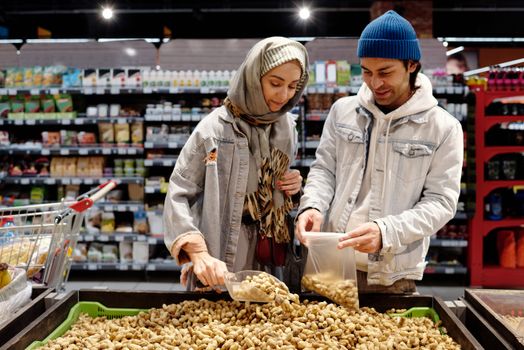
- Plan Ahead: Before heading out, create a list based on balanced meals for the week. This helps avoid impulse buys and ensures you get all the nutrients you need. - Shop the Perimeter: The outer aisles of most Phoenix grocery stores feature fresh produce, dairy, and proteins—foods that are less processed and usually healthier. - Buy in Bulk (When Appropriate): For pantry staples like oats, beans, or brown rice, buying in bulk can save money. Many Phoenix markets and Hispanic grocers offer bulk bins. - Use Senior Discounts: Many Phoenix stores offer senior discount days. For example, Fry’s and Safeway often have 10% off for customers 55 and older on certain days. - Consider Meal Kits: Some local stores and delivery services offer meal kits tailored for seniors that provide balanced nutrition and reduce prep time.Phoenix’s climate also means you may want to shop early in the day to avoid the heat, and use insulated bags to keep perishables fresh on your way home.
Addressing Common Health Concerns Through Food Choices
Certain health conditions become more common with age, and food choices can play a major role in management and prevention. Here are some Phoenix-relevant examples:
1. $1: Seniors are more susceptible to dehydration, especially in the dry Arizona climate. In addition to drinking water, eat foods with high water content like cucumbers, tomatoes, oranges, and melons. 2. $1: Osteoporosis risk increases with age. Dairy products, fortified plant milks, leafy greens, and canned fish with bones (like sardines) are excellent sources of calcium and vitamin D. 3. $1: The CDC reports that about 1 in 3 seniors has heart disease. Choose foods low in saturated fat and sodium—like skinless poultry, fish, beans, and unsalted nuts. 4. $1: Nearly 27% of Arizona seniors have diabetes or prediabetes. Opt for whole grains, legumes, and non-starchy vegetables, and limit refined sugars. 5. $1: Fiber-rich foods like whole grains, lentils, and apples can help prevent constipation, a common issue among seniors.Consulting with a registered dietitian or a healthcare provider can help you tailor your grocery choices to your individual health needs.
Exploring Phoenix-Specific Food Resources for Seniors
Phoenix is home to a variety of resources that can make healthy eating easier for seniors:
- $1 This program provides low-income seniors with coupons for free fresh produce at local farmers markets. - $1 For those who have difficulty shopping or cooking, Phoenix’s Meals on Wheels delivers nutritious meals to seniors’ homes. - $1 Companies like Instacart, Amazon Fresh, and local grocery chains offer delivery—helpful for those with mobility limitations or when temperatures soar in the summer. - $1 Many offer nutrition classes, group shopping trips, or healthy-cooking demonstrations. - $1 Phoenix’s rich Hispanic and Native American heritage means you’ll find stores with unique, nutrient-rich foods like jicama, nopales, and tepary beans, which provide variety and important nutrients.These resources can help seniors maintain independence and nutritional balance, even if leaving home isn’t always easy.
Smart Food Choices for Seniors: Final Tips for Phoenix Shoppers
Choosing the best healthy foods for seniors in Phoenix is about more than just what looks good on the shelf. It means understanding age-specific nutrition, navigating local options, reading labels, planning ahead, and seeking out community resources. By focusing on fresh, local produce, prioritizing hydration, and shopping with health conditions in mind, Phoenix seniors can enjoy flavorful meals that support their well-being.
Remember, each person’s nutritional needs are unique—so don’t hesitate to ask your doctor or a local dietitian for personalized advice. With the right strategies and a bit of planning, eating well in Phoenix is both achievable and enjoyable.