The Latest Trends in Eco-Friendly and Healthy Nutrition: What Phoenix Stores Offer
In recent years, eco-friendly and healthy nutrition has evolved from niche interest to a mainstream movement, especially in urban centers like Phoenix. As more residents become conscious of the environmental impact of their food choices and the benefits of wholesome eating, Phoenix’s grocery stores and specialty shops have responded with innovative options. From climate-smart foods to zero-waste packaging, the Valley of the Sun is seeing a surge in new nutrition trends that cater to both personal wellness and planetary health. Below, we explore the most exciting developments, the science behind them, and where locals can shop to embrace these changes.
Eco-Friendly Nutrition: What Does It Mean in 2024?
Eco-friendly nutrition goes beyond choosing organic produce. In 2024, it encompasses a holistic approach to food that considers environmental impact, resource conservation, and ethical sourcing. This means evaluating where and how food is grown, processed, packaged, and transported.
Recent data from the Food Marketing Institute shows that 67% of U.S. shoppers are “very concerned” about sustainability when buying food, a 23% increase since 2020. Phoenix reflects this trend, with more stores offering transparent labeling, sustainable packaging, and climate-conscious products.
.png)
Key elements of eco-friendly nutrition in Phoenix include:
- Prioritizing plant-based and locally-sourced foods to reduce carbon footprints. - Supporting regenerative agriculture, which rebuilds soil health and enhances biodiversity. - Reducing food and packaging waste through bulk sections and reusable containers. - Choosing brands that use renewable energy, carbon offsetting, or eco-certifications.Plant-Based Innovations: More Than Just Meat Alternatives
The plant-based movement has matured far beyond veggie burgers. Phoenix shoppers are now finding a diverse array of innovative plant-based products, many of which are produced with sustainability in mind.
According to the Good Food Institute, the U.S. plant-based food market grew by 6.6% in 2023, reaching $8 billion in sales. Phoenix stores like Sprouts, Whole Foods, and locally-owned Luci’s Healthy Marketplace are expanding their plant-based sections to include:
- Dairy-free yogurts and cheeses made from oats, almonds, and cashews. - Protein-rich “meats” crafted from mushrooms, pea protein, or even jackfruit. - Plant-based seafood alternatives, such as “tuna” made from legumes and algae. - Egg substitutes using mung beans or chickpeas.These products often have a smaller environmental footprint compared to their animal-based counterparts. For example, producing one pound of plant-based meat generates up to 90% less greenhouse gas emissions than beef, according to a 2022 University of Michigan study.
Phoenix shoppers are also seeking out local Arizona-grown products, such as tepary beans, mesquite flour, and prickly pear cactus, which are naturally adapted to the desert climate and have minimal irrigation needs.
Regenerative and Local Agriculture: A Phoenix Perspective
Sourcing food locally is not just about supporting small farms—it’s a key strategy for reducing transportation emissions and fostering community resilience. Regenerative agriculture, in particular, is gaining traction among Phoenix-area growers and stores.
Regenerative agriculture refers to farming practices that restore soil health, sequester carbon, and promote biodiversity. This includes no-till farming, cover cropping, rotational grazing, and composting. In 2023, Arizona boasted over 150 farms certified for regenerative or sustainable practices, up from 98 in 2019.
Phoenix’s farmers markets, such as Uptown Market and Downtown Phoenix Farmers Market, have become hubs for regenerative agriculture. Shoppers can find:
- Heirloom vegetables grown with minimal water. - Pasture-raised eggs and meats from rotationally grazed animals. - Organic citrus and dates from nearby orchards. - Compostable packaging and “bring your own bag” incentives.Some local stores even highlight the distance food has traveled, allowing shoppers to make low-mileage choices. For example, Desert Roots Farm offers a subscription CSA (Community Supported Agriculture) box, where all produce is harvested within 50 miles of downtown Phoenix.
Zero-Waste and Low-Impact Shopping: How Phoenix Stores Lead the Way
Waste reduction is a major theme in both eco-friendly and healthy eating. According to the EPA, packaging accounts for nearly 30% of total U.S. household waste, with single-use plastics being a significant contributor.
Phoenix stores are responding with innovative solutions:
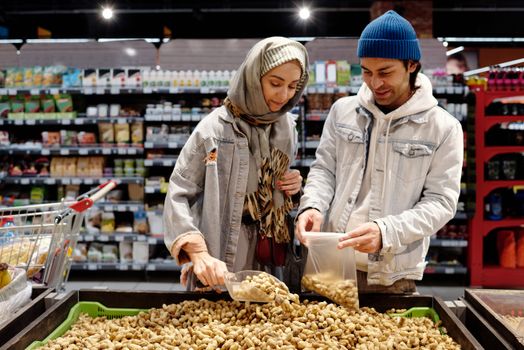
- Bulk bins for grains, nuts, spices, and snacks, allowing customers to use their own containers. - Refillable stations for oils, vinegars, cleaning products, and even nut butters. - Partnerships with local composting companies to divert food scraps from landfills. - Compostable or biodegradable packaging for grab-and-go meals.One standout example is the locally-owned shop, Zero Waste PHX, which offers over 200 bulk products and a reusable container program. Similarly, Natural Grocers has eliminated plastic bags and encourages shoppers to bring their own.
To help compare the eco-friendly features of Phoenix’s top health-focused stores, here’s an overview:
| Store | Bulk Section | Local/Regenerative Products | Zero-Waste Options | Plant-Based Offerings |
|---|---|---|---|---|
| Sprouts | Yes | Moderate | Limited | Extensive |
| Whole Foods | Yes | High | Moderate | Extensive |
| Zero Waste PHX | Yes | High | Extensive | Moderate |
| Luci’s Healthy Marketplace | Limited | Moderate | Moderate | High |
| Downtown Phoenix Farmers Market | No | Extensive | High (compostable packaging) | Moderate |
Functional and Fortified Foods: Nutrition for Modern Lifestyles
Another significant trend is the rise of functional foods—those offering health benefits beyond basic nutrition. As Phoenix’s population becomes more health-conscious and active, stores are stocking foods fortified with vitamins, minerals, probiotics, and adaptogens.
Key examples you’ll find in Phoenix:
- Probiotic-rich drinks like kombucha, kefir, and non-dairy yogurts. - Adaptogen-infused snacks and beverages, featuring ashwagandha, maca, or reishi mushrooms. - Protein bars and shakes with added omega-3s, fiber, or superfoods like spirulina. - Fortified plant milks, providing calcium, vitamin D, and B12 for those avoiding dairy.According to a 2023 NielsenIQ report, 68% of shoppers in Arizona said they seek “health-enhancing” foods at least once a week. Phoenix stores are meeting this demand by stocking up on brands that focus on clean labels, minimal additives, and clear sourcing.
Technology and Transparency: Smart Labels and Digital Shopping
Eco-conscious shoppers in Phoenix want to know the story behind their food. In 2024, technology is making this easier than ever, with stores employing smart labels, QR codes, and mobile apps to share detailed product information.
For example, some Phoenix stores now offer:
- QR codes on packaging linking to videos about farm practices and supply chains. - Apps that track the carbon footprint of your grocery basket. - Digital shelf tags indicating local, organic, non-GMO, or regenerative certifications. - Online ordering platforms with filters for eco-friendly or allergen-free products.These tools empower consumers to make informed decisions, compare products, and support brands aligned with their values. For instance, Whole Foods’ new “Sourced for Good” program highlights products with strong environmental and social credentials right on the shelf.
Final Thoughts: Embracing the Future of Eco-Friendly Nutrition in Phoenix
Phoenix is rapidly becoming a leader in the eco-friendly and healthy nutrition landscape. From regenerative agriculture and zero-waste shopping to cutting-edge plant-based innovations and transparent sourcing, the city’s stores offer a wealth of choices for those who want to eat well and tread lightly on the planet.
Whether you’re a lifelong environmental advocate or just starting your journey toward healthier living, Phoenix’s retailers make it easier than ever to align your food choices with your values. By supporting local growers, choosing sustainable products, and reducing waste, you’re not only nourishing your body—you’re investing in a healthier, more sustainable community.