Phoenix's Approach to Preventive Care: An In-depth Analysis
Phoenix, Arizona, is well-known for its vibrant desert landscapes and rapidly growing population, but what is less widely recognized is its evolving and comprehensive approach to preventive healthcare. While treatment for illness remains a central part of any healthcare system, preventive care—the proactive management of health to avoid disease before it starts—has become a cornerstone of Phoenix’s health policy and community initiatives. This shift reflects both national trends and local priorities, fueled by the city’s unique demographic profile, climate considerations, and commitment to public health innovation.
Understanding how Phoenix tackles preventive care offers valuable insights into its healthcare ecosystem and can serve as an example for other metropolitan areas facing similar challenges. This analysis explores the city’s strategies, programs, and outcomes, examining how Phoenix is working to keep its residents healthier for longer while reducing the overall burden on its healthcare infrastructure.
The Foundations of Preventive Care in Phoenix
Preventive care encompasses a variety of medical services and public health initiatives, all designed to stop diseases before they start or to catch them in their earliest, most treatable stages. In Phoenix, the foundation of preventive care is built on three pillars: public education, accessible screenings, and community partnerships.
.png)
Public education campaigns are a key element. The Maricopa County Department of Public Health, serving the Phoenix region, has invested in widespread educational outreach, focusing on issues like immunizations, healthy eating, exercise, and sun safety. For example, the “Healthy Arizona 2020” campaign helped increase awareness about the importance of regular wellness checks and vaccinations, contributing to a 9% rise in adult flu vaccination rates in Maricopa County between 2018 and 2022.
Screenings and early detection programs have also become more accessible. Many local clinics and mobile health units offer free or low-cost screenings for diabetes, hypertension, and cancer. According to the Arizona Department of Health Services, breast cancer screening rates in Phoenix climbed from 65% in 2015 to 73% in 2022 among women aged 50-74, outpacing the national average.
Community partnerships are another pillar. Organizations like Valleywise Health collaborate with schools, employers, and nonprofits to extend preventive care deeper into neighborhoods, often targeting underserved communities that have historically faced barriers to healthcare access.
Climate and Demographics: Shaping Preventive Strategies
Phoenix’s preventive care approach is uniquely influenced by its hot, arid climate and its diverse, growing population. With summer temperatures often exceeding 110°F and a population that surpassed 1.7 million in 2023, the city faces distinct health risks such as heat-related illnesses, dehydration, and respiratory issues from dust and air quality challenges.
To address these climate-specific concerns, the city has implemented innovative preventive programs. The “HeatReadyPHX” initiative, launched in 2020, includes public cooling centers, hydration stations, and educational campaigns about heatstroke prevention. The program distributed more than 300,000 bottles of water and provided shelter to over 15,000 residents during the record-breaking heatwave of 2023.
Demographically, Phoenix is both younger and more diverse than many U.S. cities. Over 42% of its population identifies as Hispanic or Latino, and nearly 30% are under age 25 (U.S. Census Bureau, 2022). This diversity requires culturally sensitive preventive care strategies. Multilingual outreach materials, partnerships with Hispanic community organizations, and targeted health education in schools have all been critical in increasing vaccination rates and reducing childhood obesity, which dropped by 6% among elementary-aged children between 2017 and 2022.
Preventive Care Delivery: Primary Care, Public Health, and Technology
Phoenix’s preventive care delivery system is a blend of traditional primary care, robust public health programs, and cutting-edge technology. Primary care providers in the area have embraced the “Patient-Centered Medical Home” (PCMH) model, which emphasizes continuous, coordinated care and preventive services. As of 2023, more than 70% of Phoenix’s major healthcare networks had adopted the PCMH framework, leading to a 12% increase in annual wellness visit rates among adults.
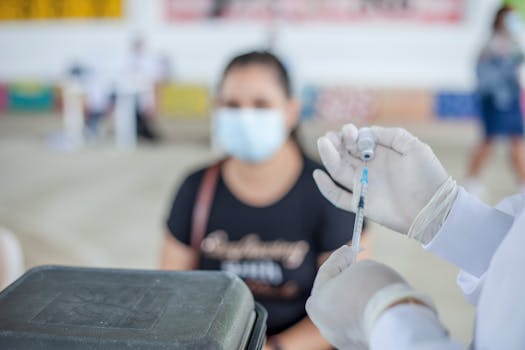
Public health initiatives complement clinical care by reaching wider populations. School-based health centers, mobile immunization clinics, and community health fairs are regular features in Phoenix neighborhoods. The Maricopa County Immunization Partnership, for instance, provided over 45,000 free vaccinations to children and adults in 2022 alone.
Technology also plays a growing role. The use of telehealth for preventive consultations soared during the COVID-19 pandemic and remains popular. A 2023 survey by Phoenix-based Banner Health found that 64% of preventive care appointments in the second half of 2022 were conducted via telehealth, greatly expanding access for residents in remote or underserved areas.
The following table compares preventive care delivery methods in Phoenix:
| Delivery Method | Key Features | 2022-2023 Utilization | Notable Outcomes |
|---|---|---|---|
| Primary Care (PCMH) | Annual checkups, screenings, vaccinations, counseling | 1.2 million wellness visits | 12% increase in preventive visits |
| Public Health Programs | Community events, school clinics, mobile units | 90,000+ residents served | 8% increase in immunization rates |
| Telehealth | Virtual preventive consults, follow-ups, education | 64% of preventive visits | Expanded rural and low-income access |
Barriers and Solutions: Ensuring Equitable Preventive Care
Despite recent progress, Phoenix faces ongoing barriers in delivering preventive care equitably. Socioeconomic disparities, language barriers, and lack of insurance coverage can prevent many residents from accessing or prioritizing preventive services.
To bridge these gaps, Phoenix has launched a number of targeted solutions. The “Phoenix Care Connect” program, for example, provides uninsured and underinsured residents with free preventive screenings and connects them to sliding-scale primary care providers. Since its inception in 2021, the program has served over 28,000 people, with 68% reporting that it was their first preventive care visit in over five years.
Language and cultural barriers are addressed through bilingual health navigators and community health workers, who help patients understand and utilize preventive offerings. Schools have also become hubs for preventive services, especially in lower-income neighborhoods, offering everything from vision screening to dental sealant programs at no cost.
Transportation is another hurdle. In response, the city has expanded its mobile health fleet, bringing services directly to high-need areas. In 2022, mobile units conducted 6,500 preventive care visits in neighborhoods with historically low clinic access, increasing screening rates in these areas by 19%.
Measuring Impact: Outcomes and Future Prospects
The impact of Phoenix’s preventive care initiatives is measurable and promising. Hospitalization rates for preventable conditions such as asthma and diabetes complications have declined by 11% in the city since 2018 (Arizona Public Health Association, 2023). Childhood vaccination rates have surpassed 90% for most required immunizations, and rates of late-stage cancer diagnoses have dropped by 7% over five years.
Looking ahead, Phoenix aims to build on these successes by investing in more data-driven interventions and expanding digital health tools for early detection. The city’s “Healthy Phoenix 2030” plan outlines goals to further reduce chronic disease rates, increase mental health screenings, and integrate wearable health technologies into community health programs.
Phoenix’s model demonstrates that a robust preventive care system requires ongoing adaptation, community engagement, and a willingness to innovate. By addressing the root causes of illness and working to reach every resident, Phoenix is not just treating disease, but actively working to prevent it—helping its population live healthier, more vibrant lives.
Final Thoughts on Phoenix’s Preventive Care Evolution
Phoenix’s approach to preventive care stands out for its holistic, community-oriented strategies and its responsiveness to local needs. From pioneering climate-adapted health programs to embracing technology and tackling barriers head-on, the city’s efforts have yielded tangible improvements in public health. While challenges remain, particularly in ensuring that progress reaches every resident, Phoenix’s evolving model offers valuable lessons for cities across the nation.
The city’s investment in preventive care is not only reducing illness and saving healthcare costs, but also strengthening the overall resilience and well-being of its diverse population. As Phoenix continues to grow and innovate, its approach to preventive healthcare will likely be watched—and emulated—by urban centers nationwide.