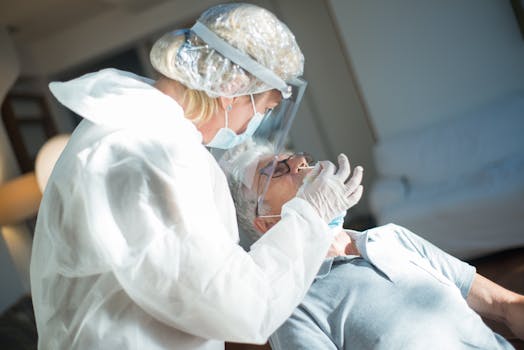
Health clinics in Phoenix, Arizona, offer a comprehensive range of services designed to meet the diverse healthcare needs of its residents. From primary care to specialized medical treatment, these facilities are equipped to handle various health concerns effectively. This article explores what patients can expect when visiting health clinics in Phoenix, including the types of clinics available, the services they provide, and tips for preparing for an appointment.
Types of Health Clinics in Phoenix
Phoenix boasts a diverse array of health clinic types to cater to different medical requirements:
.png)
- Primary Care Clinics: These facilities serve as the first point of contact for patients and offer services like routine check-ups, management of acute and chronic illnesses, and preventive care.
- Specialty Clinics: These clinics focus on specific medical fields such as endocrinology, neurology, or pediatrics, providing specialized expertise for particular health issues.
- Urgent Care Centers: Ideal for immediate care needs that are not life-threatening, these centers help bridge the gap between primary care and emergency room services.
- Community Health Centers: Often operating on a sliding scale basis, these centers aim to provide affordable healthcare services to all community members, emphasizing preventive care and patient education.
- Holistic and Alternative Medicine Clinics: These clinics offer non-traditional therapies such as herbal medicine, chiropractic care, and other holistic approaches to health.
Services Offered by Health Clinics in Phoenix
The services provided by Phoenix health clinics are extensive and include:
- Diagnostic Imaging and Laboratory Services: Essential for accurate diagnosis and treatment planning.
- Preventive Healthcare: Including immunizations, health education, and regular screenings for cancer and other diseases.
- Management of Chronic Conditions: Such as arthritis, cardiovascular diseases, and diabetes.
- Mental and Behavioral Health Services: Offering support for mental health issues through counseling and psychiatric services.
- Women’s Health Services: Focused on reproductive health, pregnancy care, and gynecological services.
- Pediatric Care: Dedicated to the health needs of infants, children, and adolescents.
Preparing for Your Clinic Visit
To ensure a smooth and productive clinic visit in Phoenix, consider the following preparations:
- Medical History: Have a detailed account of your medical history, including past illnesses, surgeries, and the names of any medications you’re taking.
- Insurance and Identification: Bring your health insurance card and a form of ID. It's also helpful to know what your insurance covers.
- List of Symptoms or Concerns: Write down any symptoms you’re experiencing or questions you have to make the most of your time with your healthcare provider.
- Pre-appointment Preparations: Adhere to any specific instructions from the clinic, such as fasting before a blood test.
During Your Visit
When you visit a health clinic in Phoenix, you can expect:
- A Thorough Evaluation: Your healthcare provider will review your medical history and perform a physical examination.
- Collaborative Discussion: You’ll have the opportunity to discuss your symptoms, concerns, and lifestyle, enabling the provider to offer personalized advice and treatments.
- Diagnostic Testing: If necessary, further tests may be ordered to aid in diagnosis.
- Treatment Planning: Based on your health assessment, a treatment plan will be developed.
After Your Visit
Post-visit, it is crucial to:
- Adhere to the Treatment Plan: Follow any prescribed treatments or medication schedules.
- Book Follow-up Appointments: Keep any recommended follow-up appointments to monitor your condition.
- Stay in Contact: Reach out to the clinic if you have any subsequent questions or if your condition changes.
Conclusion
Navigating the healthcare landscape in Phoenix can be straightforward when you know what to expect from local health clinics. With a range of clinics providing specialized and comprehensive care, residents can access the necessary services to maintain and improve their health. Effective communication with healthcare providers and proper preparation for appointments can enhance your healthcare experience, leading to better health outcomes.