Phoenix is often celebrated for its vibrant sunsets, desert landscapes, and dynamic arts scene. Yet beneath the surface, the city holds a lesser-known bounty: a wealth of hidden local healthy foods just waiting to be discovered. With the Valley's unique climate, multicultural roots, and a growing community of health-conscious residents, Phoenix is quickly becoming a hotspot for fresh, nutrient-rich foods that often escape the radar of mainstream shoppers. Whether you're a longtime Phoenician or a newcomer eager to revamp your diet, uncovering these hidden treasures can transform the way you eat, shop, and connect with your community.
Unearthing Phoenix’s Unique Native Superfoods
Long before Phoenix became a modern metropolis, indigenous peoples cultivated and foraged an array of nutrient-dense foods in the Sonoran Desert. Today, many of these native ingredients are making a comeback in local markets, restaurants, and even urban gardens.
Prickly pear fruit, for example, is not only abundant throughout the region but also rich in antioxidants, fiber, and vitamin C. A single prickly pear contains up to 24% of the daily recommended vitamin C intake. Nopales, or cactus paddles, are another hidden gem. They’re low in calories, high in fiber, and known for their ability to help regulate blood sugar—a benefit recognized for generations by the Tohono O’odham and Pima peoples.
.png)
Mesquite pods, often ground into a subtly sweet flour, boast a low glycemic index and are high in protein and soluble fiber. Chia seeds, once a staple of the ancient Aztecs and now widely available at Phoenix farmers markets, are loaded with omega-3 fatty acids and antioxidants.
Local chefs and food artisans are increasingly incorporating these ingredients into modern recipes, from prickly pear smoothies to mesquite pancakes. If you’re eager to try these authentic flavors, seek out specialty grocers or attend indigenous food festivals like the annual Arizona Indian Festival, where native foods are celebrated and shared.
Farmers Markets Beyond the Basics: Where to Find Hidden Healthy Bounty
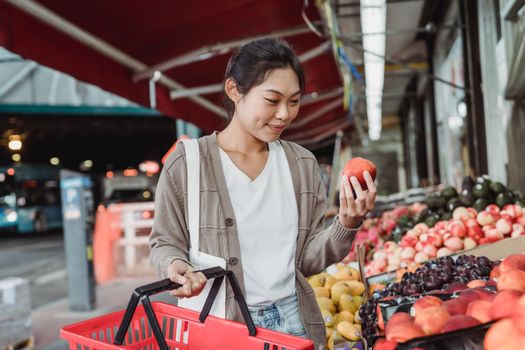
While Phoenix is home to well-known markets like the Downtown Phoenix Farmers Market, the real hidden treasures can often be found in smaller, neighborhood-based markets or pop-up events. These venues frequently feature micro-farms, backyard growers, and local artisans offering everything from rare heirloom tomatoes to hand-harvested herbs you won’t find in supermarkets.
For instance, the Uptown Farmers Market, held every Wednesday and Saturday, is a haven for shoppers seeking organic eggs from free-range chickens, microgreens grown hydroponically in the city, and raw, unfiltered desert honey. Meanwhile, the Ahwatukee Farmers Market is renowned for its selection of pesticide-free produce and seasonal fruits that reflect the region’s unique growing calendar.
Many of these markets also host educational workshops on sustainable farming and healthy cooking, offering hands-on experiences that demystify local ingredients. Shoppers can chat with farmers to learn about their growing practices and request tips on how to prepare unusual vegetables like kohlrabi or amaranth greens.
Meet the Makers: Local Artisans and Food Cooperatives
Phoenix’s health food landscape wouldn’t be complete without its community of passionate local producers. Food cooperatives such as the Southwest Food Co-op and the Valley’s many community-supported agriculture (CSA) programs make it easy to access farm-fresh, minimally processed foods directly from the source.
These programs often feature rotating selections of seasonal produce, eggs, dairy, and even locally raised meats, connecting consumers to the rhythms of the desert’s agriculture. For example, Crooked Sky Farms, a staple CSA provider, offers shares packed with purple carrots, sweet turnips, and melon varieties unique to Arizona’s climate.
Local artisans have also carved out a niche for handcrafted products, such as fermented foods (think beet kvass or jun kombucha), sprouted nut butters, and raw vegan desserts. Many of these makers start as vendors at neighborhood markets, but their products can also be found in small health food stores or through online ordering platforms tailored to Phoenix residents.
Dining Out: Finding Healthy Local Cuisine Off the Beaten Path
Phoenix’s restaurant scene is evolving, with an increasing emphasis on locally sourced, wholesome dishes that highlight the city’s agricultural diversity. Beyond the usual list of vegan cafes and juice bars, there are hidden gems where chefs take pride in showcasing the best of Arizona’s produce and heritage foods.
For example, FnB in Scottsdale is nationally acclaimed for its dedication to Arizona-grown vegetables and artisan cheeses. Their menu changes frequently based on what’s in season, and the chef often experiments with rare ingredients like tepary beans or cholla buds. Another must-try is The Breadfruit & Rum Bar, which, before its recent closure, was famous for its sustainable seafood and locally grown sides.
Many lesser-known eateries, especially those run by immigrant families, incorporate healthy local foods with a twist. Persian, Ethiopian, and Vietnamese restaurants in Phoenix often source fresh herbs and vegetables from local farms, crafting dishes that are both nutritious and bursting with flavor.
To help you navigate these options, here’s a comparison of different ways to discover local healthy foods in Phoenix:
| Source | What You’ll Find | Accessibility | Average Price Range |
|---|---|---|---|
| Farmers Markets | Fresh produce, artisan foods, workshops | High (multiple locations, weekly events) | $-$$ |
| CSAs & Co-ops | Weekly produce boxes, eggs, meat, dairy | Medium (membership or subscription) | $$ |
| Local Restaurants | Farm-to-table meals, heritage foods | Medium (reservations suggested) | $$-$$$ |
| Ethnic Markets | Unique produce, specialty ingredients | High (various neighborhoods) | $ |
| Independent Health Stores | Organic packaged foods, supplements | Medium (select locations) | $$ |
Foraging and Urban Gardening: Growing Your Own Healthy Foods in Phoenix
One of the most rewarding ways to uncover Phoenix’s hidden healthy foods is to get your hands dirty—literally. Urban gardening and foraging are on the rise, with residents transforming backyards, community plots, and even balconies into productive oases.
According to the Arizona Department of Agriculture, the number of community gardens in Phoenix has tripled since 2015, with over 40 active sites citywide. These gardens often focus on crops well-suited to the desert, such as okra, Armenian cucumbers, and desert herbs like epazote and Mexican oregano.
Foraging is also gaining popularity, with local groups offering guided walks to safely identify edible desert plants. The Desert Botanical Garden regularly hosts workshops on wild food foraging, covering everything from harvesting creosote leaves for herbal tea to collecting saguaro fruit (with the proper permits).
Growing your own food not only ensures maximum freshness and nutrition but also deepens your connection with the land. Even a small herb box or tomato plant on your patio can offer delicious, pesticide-free produce at a fraction of the supermarket price.
Connecting with Phoenix’s Food Community: Events and Resources
The journey to discovering hidden healthy foods in Phoenix is made easier—and more enjoyable—when you tap into the city’s growing network of food lovers and educators. Annual events like the Phoenix Vegan Food Festival and Arizona Urban Agriculture Conference bring together farmers, chefs, nutritionists, and curious eaters for hands-on learning and taste-testing.
Nonprofits such as Local First Arizona and the Blue Watermelon Project regularly organize tours of urban farms, seed swaps, and cooking demonstrations that highlight underappreciated ingredients. The city’s libraries and community centers often offer free classes on healthy cooking for families, meal planning on a budget, and the nutritional benefits of local foods.
Online, social media groups like “Phoenix Foodies” or “Arizona Home Gardeners” provide platforms for sharing tips, recipes, and sourcing information. Participating in these communities can lead you to new discoveries—whether it’s a backyard citrus swap or a pop-up dinner featuring indigenous ingredients.
Why Discovering Local Healthy Foods in Phoenix Matters
Embracing Phoenix’s hidden healthy foods does more than expand your palate—it supports sustainable agriculture, boosts local economies, and helps preserve culinary traditions that have nourished desert communities for centuries. By buying directly from growers, joining a CSA, or simply trying a new heritage ingredient, you become part of a movement that values wellness, flavor, and community resilience.
The next time you’re shopping or dining out, take a moment to look beyond the familiar. You may be surprised by the nutrient-rich treasures growing in your own backyard or available at a neighborhood market. Whether you’re seeking better nutrition, culinary adventure, or a deeper connection to your city, Phoenix’s hidden healthy foods are yours to discover.