Phoenix, the bustling capital of Arizona, not only boasts a rich cultural scene and stunning desert landscapes but also features a rapidly expanding healthcare system crucial to its growing population. This article delves into the healthcare landscape in Phoenix, highlighting its key facilities, services, and the challenges it presently faces.
Key Healthcare Facilities in Phoenix
Phoenix is home to several top-tier hospitals and healthcare institutions, making it a critical hub for medical care in the Southwest. Prominent among these are the Mayo Clinic, Banner Health, and Dignity Health. These facilities are celebrated for their superior care, cutting-edge treatments, and significant contributions to medical research.
.png)
Research and Innovation
A hallmark of Phoenix’s healthcare system is its emphasis on research and development. Institutions like the Mayo Clinic are pivotal not just for patient care but also for their robust research programs. These facilities conduct important clinical trials and studies, pushing the boundaries of medical science and ensuring that Phoenix residents have access to the most advanced medical technologies and treatments.
Community Clinics and Accessibility
Beyond its large hospitals, Phoenix offers a network of community clinics that play a vital role in providing accessible healthcare to underserved populations. These clinics cater to a wide range of healthcare needs, from routine check-ups to specialized services, ensuring comprehensive care is available to all, irrespective of economic status.
Challenges Facing Phoenix's Healthcare System
Despite these strengths, the healthcare system in Phoenix is not without its challenges. The city’s rapid population growth fuels a rising demand for medical services, leading to longer wait times and increased strain on healthcare resources. Furthermore, disparities in healthcare access and quality persist, particularly affecting low-income and minority communities.
Strategies for Improvement
To combat these issues, healthcare providers and policymakers in Phoenix are taking proactive steps. These include expanding existing medical facilities, increasing the healthcare workforce, and enhancing telemedicine capabilities to broaden access. Preventive care and community health initiatives are also being prioritized to reduce the reliance on acute medical services.
Public Health Emergencies and System Resilience
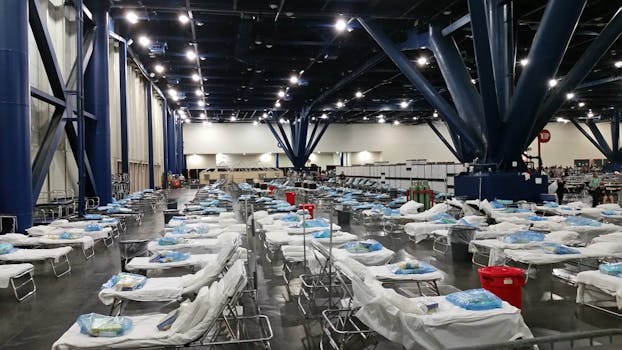
The COVID-19 pandemic tested the resilience of Phoenix’s healthcare system, underscoring the critical role played by its hospitals and health professionals in managing public health crises. The pandemic response, including extensive patient care and vaccine distribution efforts, highlighted the system's capacity to adapt to extraordinary circumstances.
The Future of Healthcare in Phoenix
Looking ahead, Phoenix is set to continue its trajectory as a major center for healthcare. With ongoing investments in medical facilities, research, and technology, the city’s healthcare system is well-positioned to meet the evolving health needs of its population. The continued focus on equitable access and preventive healthcare is expected to enhance overall health outcomes and narrow existing disparities.
Conclusion
Phoenix’s healthcare system is a dynamic and essential element of the city’s infrastructure, marked by a combination of high-quality medical facilities, groundbreaking research, and a commitment to community service. While challenges remain, concerted efforts from healthcare providers and policymakers are ensuring that the system is evolving to address the needs of an expanding urban population. As Phoenix progresses, its healthcare system remains a foundational pillar of its continued success and vitality.