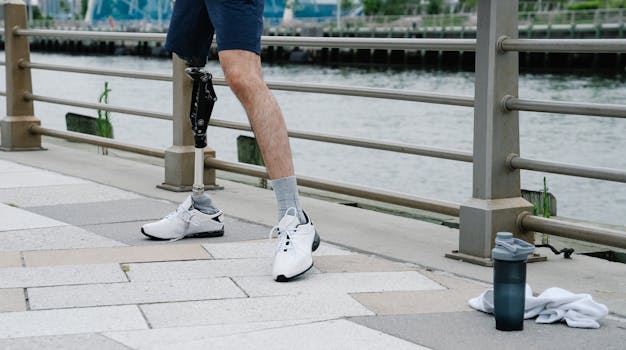
As a bustling urban center in the heart of the desert, Phoenix, Arizona, has recognized the critical importance of promoting physical activity among its residents. The city's comprehensive approach, designed to cater to a diverse population, offers valuable lessons for other cities aiming to enhance public health through increased physical activity.
Infrastructure Development
Central to Phoenix's strategy is the expansion and enhancement of its public parks and recreational facilities. The city is home to one of the largest municipal parks in the United States, South Mountain Park and Preserve, which provides over 50 miles of trails suitable for hiking, horseback riding, and mountain biking. Additionally, numerous community parks scattered across the city offer accessible green spaces for less intense but equally beneficial physical activities such as walking and recreational sports.
.png)
Community Programs
Phoenix's "FitPHX" initiative is a standout example of how the city promotes health and wellness. Programs under this initiative, including "WalkPHX Wednesdays," encourage residents to engage in structured physical activities. These programs not only foster physical health but also enhance community engagement by bringing residents together in pursuit of a common goal.
Educational Outreach
To further support its health initiatives, Phoenix conducts educational workshops and seminars focusing on the benefits of physical activity and safe exercise practices. These sessions are crucial for empowering residents with the knowledge they need to engage in physical activity safely and effectively. Accessibility is a key component, as these educational offerings are typically free and aimed at a broad audience.
Urban Planning
Recognizing the role of infrastructure in promoting an active lifestyle, Phoenix has invested in creating and improving bike lanes and pedestrian paths. This not only makes non-motorized transportation options more attractive and feasible but also supports environmental sustainability by reducing reliance on vehicular travel.
Economic and Environmental Benefits
The push towards increased physical activity in Phoenix also brings substantial economic and environmental benefits. Healthier residents can lead to lower overall healthcare costs and improved productivity. Environmentally, reduced vehicle usage helps decrease air pollution, a significant concern in urban areas like Phoenix. Furthermore, well-maintained parks and recreational facilities enhance local tourism and can lead to an increase in property values.
Addressing Challenges
Despite these successful strategies, Phoenix faces ongoing challenges, including disparities in access to recreational facilities and safe pathways in certain areas of the city. Ensuring equitable access to these resources is essential for the success of Phoenix's health initiatives.
Conclusion
Phoenix's multi-faceted approach to promoting physical activity is a model that other cities can look to. By focusing on infrastructure, community engagement, education, and inclusive urban planning, Phoenix is making significant strides towards fostering a healthier, more active community. As the city continues to evolve and refine its strategies, it remains a beacon of how urban environments can effectively encourage and support healthier lifestyles.